Guide
How to Improve Digestion: Daily Habits That Matter More Than Any Powder
To improve digestion, start with habits: eat 22 to 34 g of fiber a day, drink fluids, move your body, keep meals regular and give yourself time for the toilet. A Finessa scoop adds about 3 g of carbohydrate and cannot replace these. Blood in the stool, constant belly pain or weight loss need a doctor.
Written by the Finessa label deskUpdated
The basics01
How can you improve digestion with daily habits?
Regular digestion rests on five habits: enough fiber, enough fluid, daily movement, steady meals and unhurried toilet time. None needs a product.
The NIDDK lists fiber, fluids and activity as the first steps for constipation, before any laxative (NIDDK, Constipation treatment). Many causes of slow bowels are ordinary ones, such as low fiber, little water, travel, stress or a medicine you take (NIDDK, Constipation symptoms and causes).
A powder like Finessa sits on top of these habits, not under them. It has 10 calories and 3 g of carbohydrate a scoop, and its panel gives no fiber line at all.

The sections below take the habits one at a time. Each ends with what to do tomorrow, not next month.
Fiber02
How much fiber helps with constipation?
The NIDDK points adults to 22 to 34 g of fiber a day, depending on age and sex (NIDDK, Constipation treatment). Most people eat less.
Fiber comes from beans, oats, fruit with the skin on, vegetables, nuts and whole grains. Fiber for constipation works best when you add it slowly. A jump from 10 g to 30 g in a day often brings gas and bloating.
Add about 5 g every few days and drink more as you go. A prebiotic fiber like the fructooligosaccharides on the Finessa panel follows the same rule: gradual is easier on the gut (Le Bourgot 2022, scFOS tolerance (Nutrients)).
| Swap or add | Rough fiber | Tip |
|---|---|---|
| Half a cup of cooked beans or lentils | 6 to 8 g | Rinse canned beans and start with a few spoonfuls |
| One cup of oatmeal | 4 g | Top with berries or ground flaxseed |
| One pear or apple with skin | 4 to 5 g | Eat it whole, not as juice |
| A handful of almonds | 3 to 4 g | A small portion is plenty |
| One scoop of Finessa | Not printed | The panel shows no fiber line, only 3 g of total carbohydrate |
Fiber figures are rounded food-label values, not from the Finessa panel.
Fluids and movement03
Do water and exercise really change how often you go?
They help, mostly by supporting fiber. Fiber without enough fluid can make stool harder, so the two go together.
Fluids and physical activity are both on the NIDDK's first-line list for constipation (NIDDK, Constipation treatment). A short walk after a meal is a simple, low-cost way to start. You do not need a gym.
There is no magic number of glasses. Pale yellow urine is a rough sign you are drinking enough. Your doctor may set a different target if you have a heart or kidney condition.
- Drink a glass of water when you wake, then keep a bottle in reach.
- Walk 10 minutes after your biggest meal.
- If you use a powder, mix it in a full glass, not a splash.
When you mix a scoop of Finessa, the sales page says water or another drink works (Finessa sales page). That glass counts toward your day, but the scoop itself adds no proven extra benefit. See how to use Finessa.
A 24-hour view04
What does a gut-friendly day look like?
A steady day looks like this: fluid on waking, a fiber-rich breakfast, movement, regular meals and a fixed bedtime. The dial shows where a morning scoop would sit among them.
The sales page puts the scoop in the morning (Finessa sales page). The rest of the dial is ordinary routine, and it is the part with the strongest backing.
- One scoop, in the morning
The sales page says to mix 1 scoop with water or another drink once daily in the morning. Prescribed medicine stays on its own schedule.
- Movement most days
Adults are advised to get at least 150 minutes of moderate activity a week; walking helps the bowel move.
- Water, fiber and meals on time
Fluids, vegetables, fruit, beans and whole grains do more for regular bowels than any powder.
- Night, 7 to 9 hours
Poor sleep and irregular meals disturb digestion; steady routines help more than a supplement.
Fiber and constipation guidance (NIDDK, Constipation treatment) (NIDDK, Constipation symptoms and causes). The times on the dial are examples; the sales page sets only "morning".
Pick one habit from the dial and keep it for two weeks. Changing everything at once rarely lasts.
Meals, sleep and toilet time05
Do meal timing, sleep and toilet habits matter for the gut?
Yes, as supporting habits. The bowel tends to move after meals, and a regular schedule gives it a pattern to follow.
Meals
Eat at similar times each day. Breakfast often triggers the urge to go, so do not skip it.
Sleep
Short or broken sleep and stress can upset bowel habits for some people. A steady bedtime is worth trying.
Toilet time
Go when the urge comes. Holding on teaches the bowel to wait. Sit without rushing and rest your feet on a small stool.
These are common-sense steps drawn from general constipation advice (NIDDK, Constipation symptoms and causes) (NIDDK, Constipation treatment). They are not tested against Finessa, and no trial has tested the powder itself.
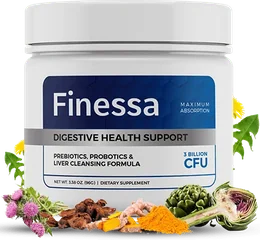
Finessa: from $39 a bottle50 scoops a tub · 1, 3 or 6 bottles · free US shipping on 6 · 180-day guarantee
See packsWhere Finessa fits06
Can a powder like Finessa replace these habits?
No. Finessa is a powder dietary supplement, not a laxative drug and not a treatment for any bowel condition. It cannot stand in for fiber, fluids or a doctor.
It lists a prebiotic fiber, several probiotic strains and a laxative herb, cascara sagrada, in a 755 mg Gut Health blend. Cascara is a strong stimulant laxative, and long use can lower potassium and sodium (MSK, Cascara (About Herbs)). Habits come first for that reason.
Probiotic evidence is strain-specific. A review of 14 trials found about 1.3 more bowel movements a week, with a clear effect for one strain and none for another (Dimidi 2014, probiotics and functional constipation meta-analysis). Which strains and how many live cells your tub holds is a question for the order desk.
Do not stop or change a prescribed medicine because you changed your diet or added a supplement. Tell your doctor or pharmacist first (FDA, Mixing medications and supplements).
Compare the options in laxatives vs supplements and probiotics explained.
Red flags07
When should you see a doctor about digestion?
See a doctor for blood in the stool, constant belly pain, vomiting, fever or weight loss you did not plan (NIDDK, Constipation symptoms and causes). These are not habit problems.
Call as well if constipation lasts for weeks, if it began suddenly, or if you need a laxative every week. A doctor can look for causes, including medicines you already take.
- Black or bloody stools, or yellow skin or eyes: seek care the same day.
- Pain with fever, or a swollen belly with vomiting: seek urgent care.
- Pain, bloating and bowel changes that keep returning may be IBS, which needs a diagnosis (NIDDK, Irritable bowel syndrome).
- Pain in the upper right belly with fever or jaundice can mean a bile duct problem (NIDDK, Gallstones symptoms and causes).
Anyone with a weak immune system should ask a doctor before starting live probiotics (NCCIH, Probiotics: usefulness and safety). Report a bad reaction to a supplement through the FDA's portal (FDA, How to Report a Problem with Dietary Supplements).
Your first week08
What is a simple one-week plan?
Change one thing each day and keep what feels easy. Seven small steps beat one big overhaul.
Days 1 and 2: water first
Drink a glass on waking and keep a bottle nearby.
Days 3 and 4: one fiber swap
Trade white bread or juice for oats, a whole fruit or beans.
Days 5 and 6: walk after eating
Ten minutes after your largest meal.
Day 7: review
Note stool pattern, gas and energy. Raise fiber a little only if you feel fine.
If you add Finessa, add it after the habits are in place, so you can tell which change did what. Read the directions we found first.
Fiber, fluids, movement and sleep carry the most weight for regular digestion. If you want to try Finessa on top, the 180-day guarantee on the sales page gives room to decide.
FAQ09
Digestive habits questions
How much fiber should I eat a day?
The NIDDK points to 22 to 34 g a day for adults, depending on age and sex (NIDDK, Constipation treatment). Build up slowly, adding about 5 g every few days, and drink more fluid as you go to limit gas and bloating.
What helps constipation without a laxative?
Fiber, fluids and physical activity are the first steps the NIDDK lists (NIDDK, Constipation treatment). Regular meals and unhurried toilet time help too. If constipation lasts weeks or comes with blood or weight loss, see a doctor.
Does drinking more water improve digestion?
It helps most when you also eat fiber, since fiber needs fluid to soften stool. There is no fixed number of glasses. Pale yellow urine is a rough guide, unless a doctor has limited your fluids.
Does walking help digestion?
Light activity such as a 10 minute walk after a meal is a low-cost habit that supports regular bowels. It is on the NIDDK's list of first steps for constipation (NIDDK, Constipation treatment).
What is the best time of day to go to the toilet?
Many people feel the urge after breakfast, so that is a good time to sit for a few unhurried minutes. Go whenever the urge comes. Holding on can make constipation worse.
Can a supplement replace fiber from food?
No. Finessa's panel shows 3 g of total carbohydrate and no fiber line, so a scoop is not a fiber source. Food fiber also comes with other nutrients that a small powder scoop cannot supply.
Is gas and bloating normal when I eat more fiber?
Some gas is common at first, because gut bacteria ferment fiber. Add fiber gradually to ease it (Le Bourgot 2022, scFOS tolerance (Nutrients)). Bloating with pain, vomiting or weight loss is not normal and needs a doctor.
Which signs mean my digestion problem is serious?
Blood in the stool, black stools, constant belly pain, vomiting, fever, yellow skin or eyes, or weight loss you did not plan all need a doctor (NIDDK, Constipation symptoms and causes) (NIDDK, Gallstones symptoms and causes). Do not wait to see if a supplement helps.
Who wrote this10
Written and reviewed by
Pages built from the label, the sales page and linked NIH, FDA, CDC, FTC and peer-reviewed sources.
Last updated . Read our editorial standards and how we check reviews. This website is run by Gofinessa, a U.S. stocking partner for Finessa, not by the manufacturer. We earn money when you buy through our order links.
Keep reading
More about Finessa

U.S. stocking partner for Finessa
Ready to try Finessa?
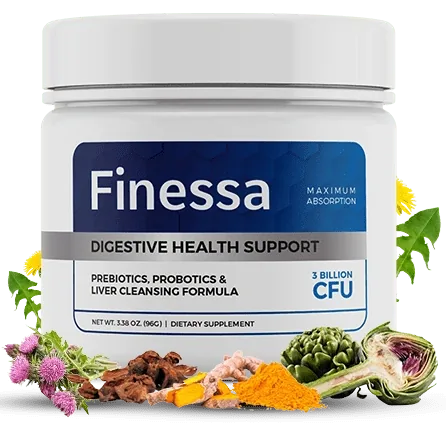
Check the label against your medicines, then pick a pack. Six bottles ship free in the US and cost the least per bottle, and the guarantee runs 180 days.
- Secure checkout
- 180-day guarantee
- Ships from the U.S.